A Funeral without Tears

“C’mon, Rose, Tony’s waiting!”
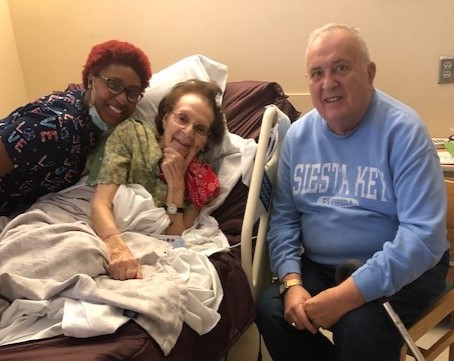
Andrea Wimberly and George Banks with Mom during one of her last hospitalizations. Andrea and George helped keep Mom in good spirits as her body started wearing down.

Usually, urging on death would be ghastly. But dear friend George Banks – who always endearingly called Mom “Rose” – was in the fourth day of a long, difficult bedside vigil that could only have one outcome.

Connie had been rushed to the emergency room with pulmonary distress just after midnight on Mother’s Day. Doctors said the only realistic move was to the hospital’s Hospice wing. It was now late Thursday, Mom still unconscious and barely breathing. She’d received the Anointing of the Sick and Apostolic Blessing. Rosaries had been said. After five long days, it was heartbreaking for George and me to keep watching Mom’s battle between body and soul. Dad, and the angels, were waiting for her.
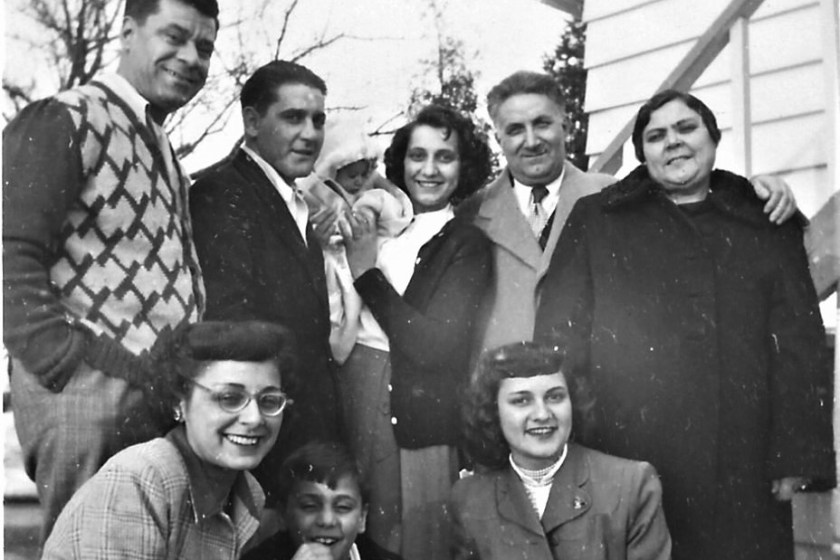
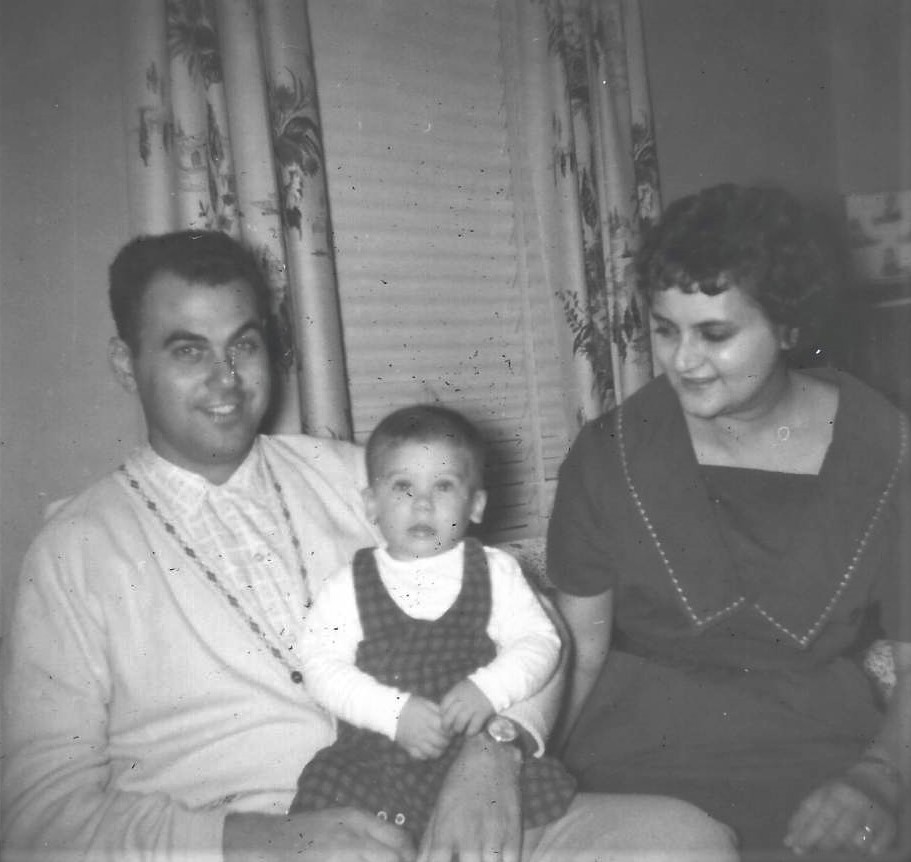
From winter 1952, many of the people nearest and dearest to Mom’s heart. Top row – husband Tony, sister Virginia Leonardo with her husband Harry and newborn daughter Lucille, and her parents Carmen and Mary Macri. Bottom row – Mom, nephew Harry, and sister Antonetta DiToma

“Don’t worry, Mom, it’s okay to let go.”

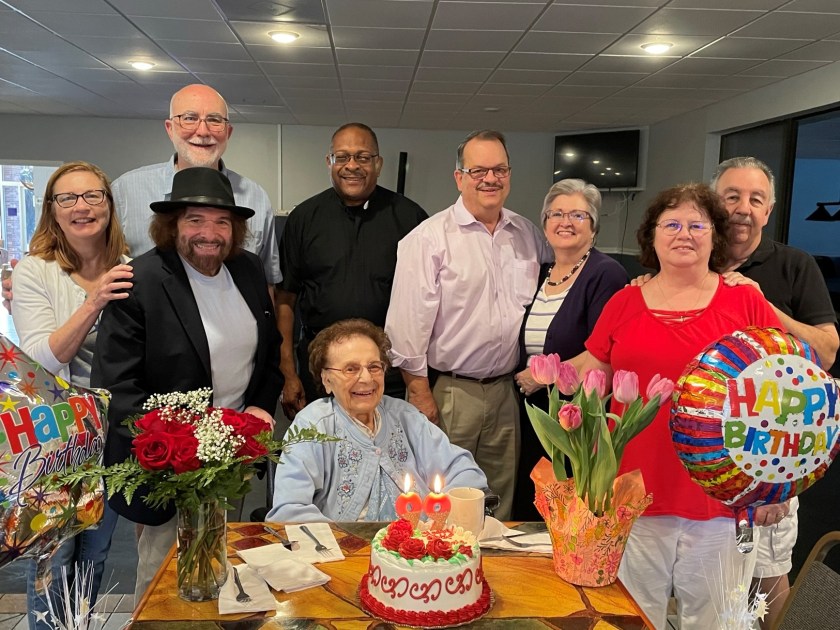
Mom had achieved her last important goal – reaching her 100th birthday – barely two-and-a-half months earlier. She celebrated at a big party with friends from Jacksonville and relatives from Syracuse and Texas. It was a great afternoon and she had a wonderful time. Big smiles all around.

To be honest, there were a few tears at her goodbye services – a vigil in Jacksonville, plus a prayer service and funeral Mass in Syracuse. But there were more smiles than tears as friends and family recalled happy memories of “Aunt Connie.”
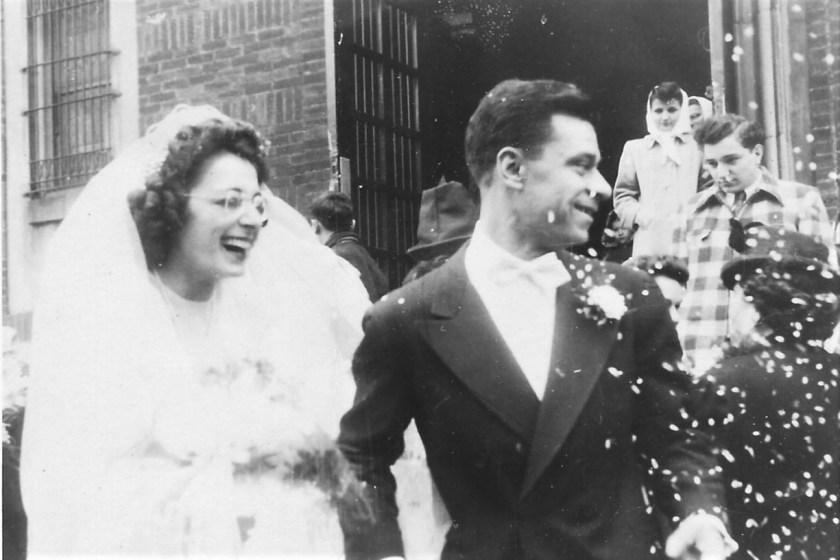
November 15, 1947, undoubtedly the happiest day of Mom’s life, the day Connie Macri married her beloved Tony Casella.

Most of those memories involved family gatherings, sports, holidays – events that involved lots of family and friends. Mom, for as private as she could be, always saw herself in relation to others. And the memories almost always involved food, too. That was only proper – cooking is how Italians say “I love you.”
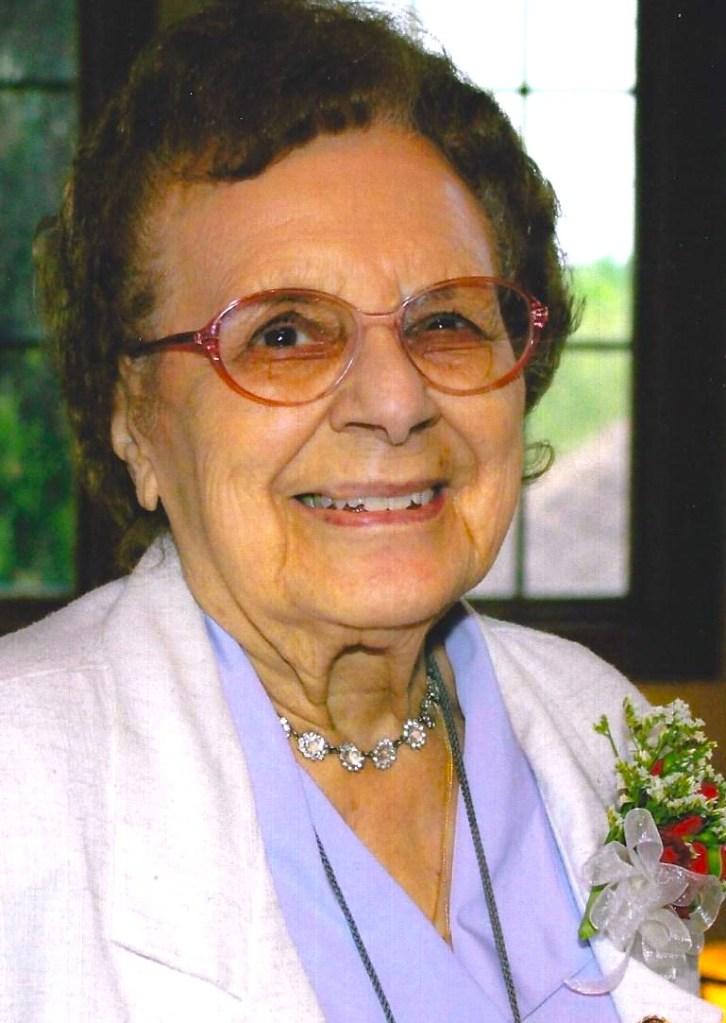
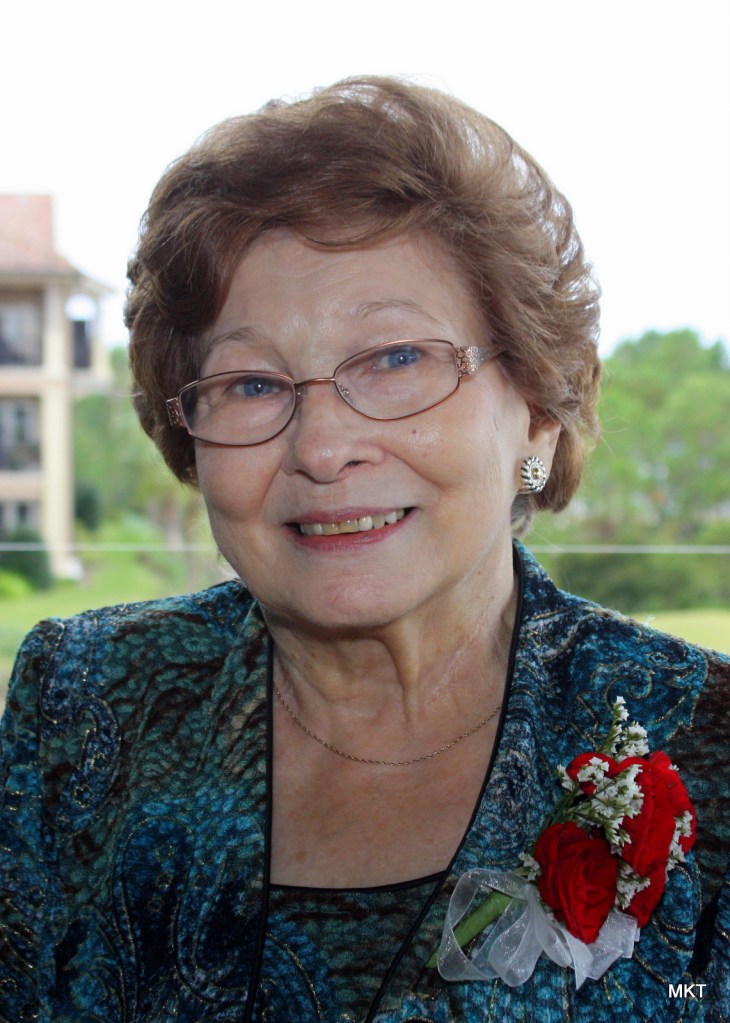
Concetta Macri Casella
March 9, 1923 – May 19, 2023

The service in Syracuse did not attract a lot of people. That was no surprise – at 100 years old, Mom had outlived just about everyone else. She was the family’s last survivor of her generation. And so many of those who had gone before her left so long ago. She hadn’t seen her father in 65 years; she had adored her father! Her mother died 43 years ago. Dad was her beloved; she lived the last 22-years of her life without him. She missed sisters Virginia and Antonetta terribly. And she mourned daughter Susan deeply after she died in 2018, often saying, “I can’t believe I’ll never talk to her again.”

Well, she’s back with all of them now.

Can you imagine what all of those heavenly reunions were like? That’s why there were so many smiles and just a few tears at Mom’s services – tears because we’re missing her, smiles because of her destination. The goal now, however, is to make sure heaven is in our future so we can have our own reunions with her and all of our other loved ones.


Absolutely NO Smiling Allowed

Like many people, I often get sucked down the rabbit hole of online news stories and various other articles and columns. Maybe you do, too. Like potato chips, once I start, one piece leads to another and I can’t stop. It’s really okay because I’m actually feeding my brain. At least that’s what I tell myself.

One of the benefits of smiling is that it makes you look younger, and sharing a smile gets the endorphins flowing!

Two related categories are definitely not brain food. The first is Baby Boomers criticizing Millennials for being clueless; the second is Millennials for criticizing Baby Boomers for being completely out of touch. While Millennials certainly aren’t clueless, I almost always side with the Boomers – because I AM one. And Millennials can be a bit over the top. I mean, come on – one Millennial critic disparaged Baby Boomers for liking toast. Really? Toast??

Smiling comes naturally to us; even babies love the attention they get when they smile big!

Criticizing Boomers for liking toast may be a head-scratcher, but here’s one that’s really off the charts – condemning Baby Boomers for smiling at strangers. (Oh no, the humanity!)

Only a lemon-sucking Grinch would have a problem with that. First of all, plain ol’ smiling is healthy. It can lower blood pressure, increase your pain threshold, lower stress, and even make you look younger. Research has shown that smiling is more effective than chocolate in stimulating the reward mechanism of the brain. (But don’t give up chocolate; this is Advent, not Lent!)

When you smile at a stranger, you just may be giving that person the jump-start he or she needs to make it through the day. Internist and author Alex Lickerman, MD, says smiling at strangers acknowledges their humanity and promotes peace by sowing joy.

A smile from Jesus must have been awesome; Jonathan Roumie’s Jesus in “The Chosen” TV series does a pretty convincing job.

Back in the early 2000s, I was a middle-aged grad student at the University of North Carolina. On top of the challenging academic program, I was also in the midst of a difficult personal patch. I had to develop positive strategies just to get through each day. One of those strategies was, yes, smiling at strangers as I walked around campus. Those smiles created little circles of joy whenever a someone smiled back.

Santa Claus always smiles – unless he’s Billy Bob Thornton in “Bad Santa.

I always suspected those circles had a ripple effect. An unnamed blogger, a young woman, seemed to confirm that. She started the same practice but turned it into a research project. Her findings? Almost all older men and women smiled back and even said hello or nodded in greeting; younger men nodded and smiled back, too. Only half the younger women smiled back, likely affirming the observation of the famous author Anonymous – ‘Keep smiling, it makes people wonder what you’re up to.”

Even in the best of circumstances, the Christmas season can be stressful. Smiling is a way to immediately ease that stress. And, unlike chocolate, NO calories!

Have a merry and blessed Christmas!

If you liked this story, I hope you will choose to subscribe. Just scroll down, enter your email address and click “Subscribe.” I try to upload a new entry every couple of weeks or so.

Finding the Real Christmas Tradition

“When are we coming over for the Feast of the Seven Fishes?”

It wasn’t really a serious question. It was my good friend Bob reminding me that it’s time to start cooking for Christmas, and probably a subtle hint that a pot of my homemade sauce and meatballs would be an appropriate Christmas gift. (You got it, Bob!)

One tradition that’s changing this year is the Christmas tree – artificial instead of live for the very first time. An unavoidable concession.

The Feast of the Seven Fishes is an Italian tradition deeply rooted in the Catholic Church, which originally made December 24 a day of fast and abstinence. Fish, because no meat was allowed, and also because in poor, coastal southern Italy and Sicily, seafood was abundant and cheap. So what do Italians do after a fast is lifted? Eat! And then eat some more.

In Italy – and in our family – the huge holiday meal was never known as the Feast of the Seven Fishes. That’s a fairly recent American label. It was simply Christmas Eve dinner, the “real” family Christmas that we eagerly anticipated all year.

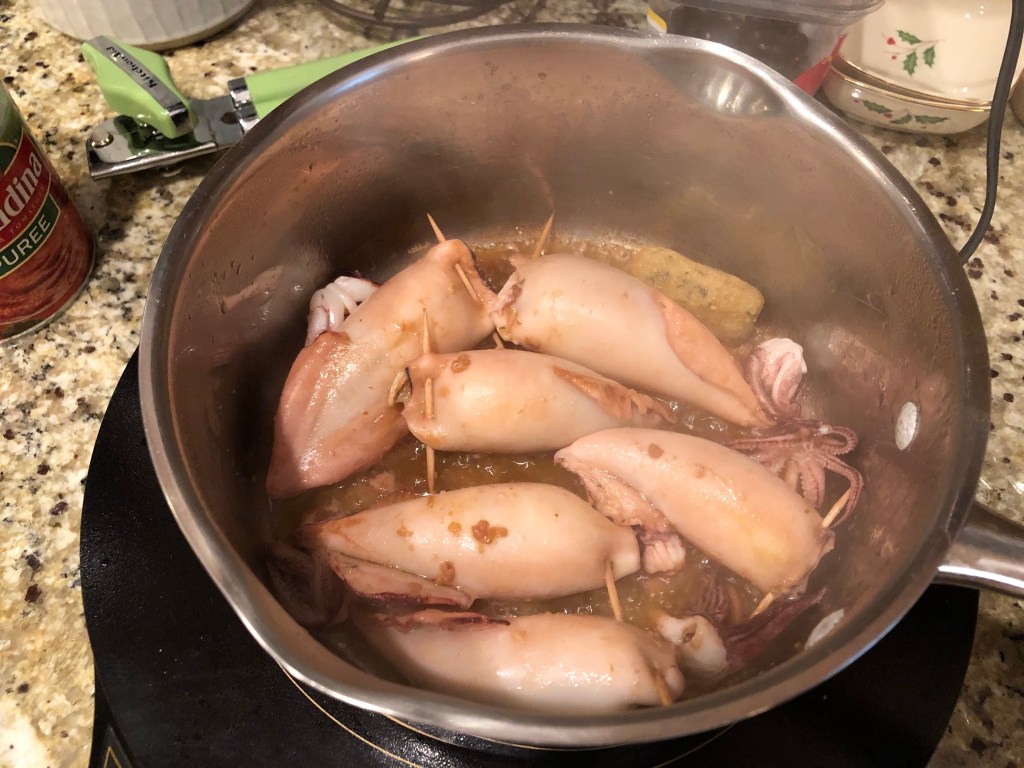
Like many immigrant families in the 1950s, and maybe yours, our family aspired to fully integrate into American society. That’s why our hours-long Christmas Eve custom incorporated both Old World and New World traditions. The first half was Italian – capellini (angel hair pasta), meatballs, sausage, melanzane (eggplant) plus various holiday specialties including stuffed calamari (squid), baccala (codfish), scricciolo (shrimp), and calamari salad. That was followed by a huge American holiday meal – ham, turkey, and all the sides. Finally, holiday pies, fruit, nuts, and Italian cookies for dessert.  

Traditional holiday foods are special in every culture. Sautéing last year’s pot of stuffed calamari, once a centerpiece of our traditional Christmas Eve, did not carry over well to the 21st century.

It’s difficult, though, for Old World traditions to survive modern American culture. As the generations passed, the taste for the old seafood recipes (eww, squid!) disappeared, and we didn’t need turkey or ham to be “real” Americans. Ironically, the Church – which helped create the tradition in the first place – was instrumental in moving our family’s Christmas Eve dinner away from Christmas Eve. 

After joining the music ministry at St. Joseph’s Church, we switched our usual Christmas Day liturgy to Midnight Mass. Let’s face it, singing on a full stomach can be dangerous! That means our annual Italian dinner is now on the 22nd or 23rd instead of Christmas Eve.

Several years ago, while feeling hugely nostalgic for “Christmas Eve past” of grandparents, parents, sister, aunts, uncles, and cousins, I asked my daughter Kris about the favorite Christmas memory of her childhood. She looked at me like I was crazy and answered, “Midnight Mass, of course!”

Some traditions deserve to remain unchanged.

Uncle Leo and Aunt “Lala” DiToma holding
cousin Paul after Christmas Eve dinner 1961.

Ultimately, though, all family traditions have less to do with food than with fellowship. It’s people – our families and friends – who define the dearest traditions of our hearts. For me, that Sicilian stuffed squid was a lot less important than getting elbowed by my left-handed Uncle Leo as we both fought to get to the platter first. Undoubtedly, you have an “Uncle Leo” holiday story from your family, too.

This year will be Mom’s 99th Christmas. We will all value her presence dearly, as we will cherish this holiday season with all of our relatives and friends, just as you will. For that love is the foundation of tradition for all of our families.

If you liked this story, I hope you will choose to subscribe. I try to upload a new entry every couple of weeks or so. Just scroll down, enter your email address and click “Subscribe.”

Spurning a Gift

It was a sunny Friday; Helen was off work and I was unscheduled. We decided to go to noon Mass at the downtown church – the Basilica of the Immaculate Conception – and then grab a nice, leisurely lunch. It would be nice to take time just for ourselves for a change.

In the parking lot after Mass, we spotted a bedraggled man quietly asking others for help. Seeing needy people is not unusual in most cities. They often present us with a conundrum. If the need is genuine, we want to help. But we don’t want that help going up anyone’s nose or down their throats from a bottle. And it’s not always easy to make an on-the-spot decision.

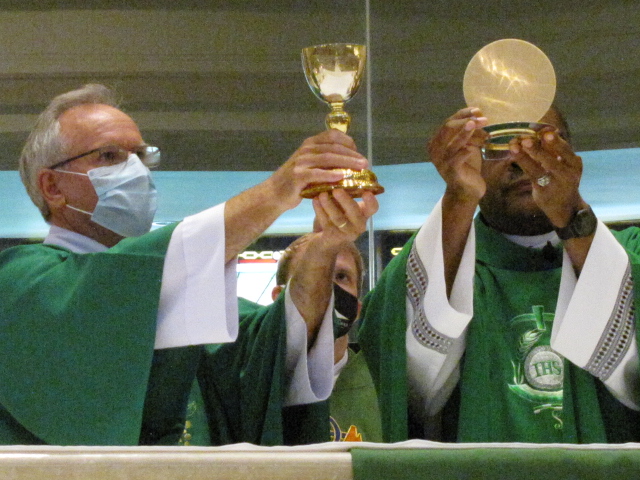
Many of God’s gifts are easy to spot; others are easy to overlook. Fr. Maurice Culver (right) and Deacon Bob Gardner elevate the precious Body and Blood of Christ during a Mass at St. Joseph’s Catholic Church in Jacksonville, Fla.

On this beautiful, sun-splashed afternoon we had just been inspired by a brief homily reminding us that it was our responsibility to respond to need and let God take care of the rest. But Helen and I seldom carry more than a couple of dollars, and we had just put what scant cash we had in the basket at Mass. We instantly regretted not adopting the practice of keeping a few “care packages” in the car.

Still, the guy seemed sincere. Helen dug deep in her purse for any loose change. I pulled out the few coins in my pocket and cleaned out the small stash of change from the car’s center console. In all, we probably scrounged up close to five bucks. Not much, but not nothing, either.

“Sorry,” I said as I poured the change into the man’s cupped hands. “Best we can do.”

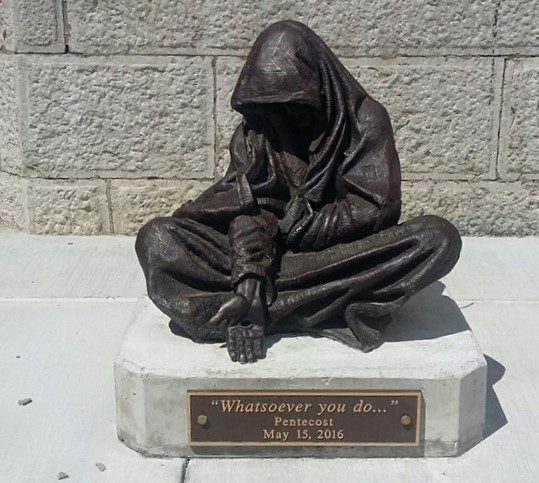
The identity of the beggar in this sculpture in front of St. Lucy’s Church in Syracuse, NY, is evident by the hole in his hand.

The man scanned the coins in his hands, looked at me, and then violently flung the money into the bushes nearby. He stormed away, grumbling, “I can’t do anything with that.”

Helen and I looked at each other – stunned. We felt used, violated. Our shock was eased only by the fact that we had done what Jesus asked us to do – give without concern for the results.

That evening, sitting in the lanai with the cat on my lap and a beer in my hand, I still felt the sting of a rejected gift; a grace tossed away. Why did he do that? And then it hit me.

How many times had I rejected gifts – God’s gifts? Tossed aside His graces?

It’s easy to take some of God’s gifts for granted: family, friends, health, employment, food, clothes, shelter – life’s necessities. But we also tend to forget the gifts that enrich our lives. 

When God has a beautiful thought for us, the entire sky is His canvas, the songs of birds give us joy.

When God wants us to take joy in His creation, He has birds sing to us. He shares His beauty in the delicate petals of a flower and the grand expanse of a vibrant, multi-colored sunset. There’s excitement in the touch of a spouse, and peace in a gentle rainfall. There’s wonder in something as small as the buzz of a hummingbird and something as immense as a total lunar eclipse. And, of course, God gives us majesty in the gift of Himself in the form of the Eucharist.

When I take His gifts for granted – toss them aside – does Jesus also feel used and rejected?

Whether He does or not, maybe I should still try a bit harder to live in the moment, take a breath and be a little more conscious of what’s going on around me. And then actually thank God for those gifts.

If you liked this story, I hope you will choose to subscribe. I try to upload a new entry every couple of weeks or so. Just scroll down, enter your email address and click “Subscribe.”

Pat’s Final Gift

My mother-in-law, Helen’s mom, died last week. Pat Howell was 88.

Mom Howell was in her 70s when I met her. She seemed to be the perfect example of the elegant, sophisticated, soft-spoken Southern woman.  Early on, when I passed that observation on to Helen and her siblings, they were quite bemused, saying that’s not nearly the woman who raised them.

It’s hard to believe that the family nickname for this sweet, gentle lady was “Brute.”

Pat was a businesswoman; she and her husband Bob owned their own printing company for nearly 40 years, going toe-to-toe with suppliers and handling all employee issues and concerns. She raised seven strong-willed, independent-minded children. She was such hell-on-wheels, her family nickname was Brute. This certainly was not the Pat I got to know, a quiet woman devoted to her church and her family of grown children, grandchildren and great-grandchildren.

Pat Howell suffered for many years with COPD, which sapped her strength and vitality. She broke a hip in August and was released to home Hospice care a few weeks ago. It was her wish to be home where she could look out her bedroom window at her garden and the birds around the feeders instead of being surrounded by medical machines and hooked up to IVs. Mostly, she wanted to savor as much time as possible with her sons, daughters, grandchildren and sister Paula.

And that’s what happened. She was never alone; family members sat with her continuously. Still, those last few weeks were difficult for Pat as she grew weaker, slowly and begrudgingly yielding to the fog of the end stage. A couple of days before she slipped away, she woke up a bit and whispered a question to Helen – “Am I dying?”

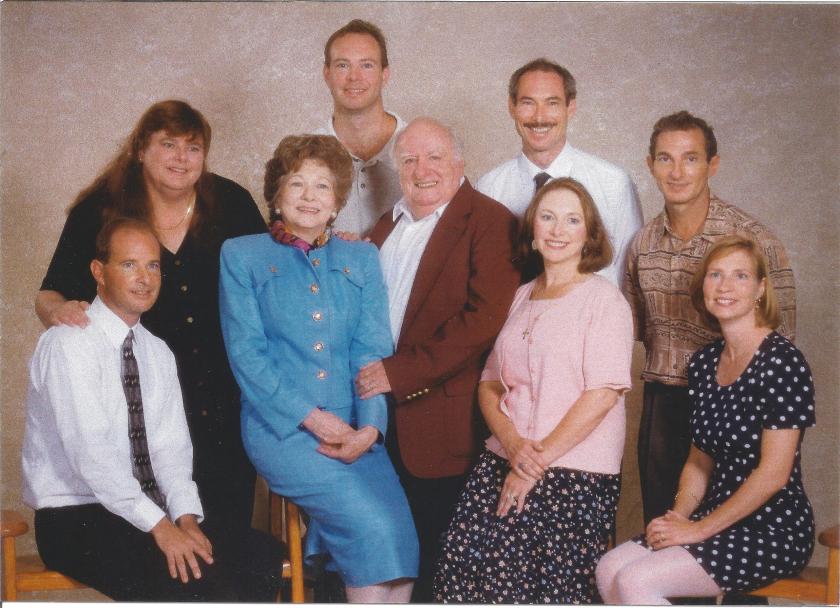
Pat was the glue that held the Howell family together. She’s with her husband Bob and their seven grown children in this 1999 portrait.

“Yes, Mom,“ Helen answered gently. “You’re going to be with Jesus and Dad.”

Pat shot back immediately, “What time?”

Helen had to stifle a chuckle. Typical Mom, Helen thought, a woman who spent most of her life raising kids while simultaneously running a business. Needing to know what to do next and what time to do it.

But you don’t need to be loaded with responsibility to look ahead. If you think about it, that’s pretty universal. I know I focus more on the future than the present. For example: When’s our next band jam? When can I finally travel to see family and friends back in Syracuse? Will I make it to heaven? These are the things in my head. Listening to music and enjoying a glass of wine while sitting on the lanai to watch the cardinals and hummingbirds? Not so much. I mean, heck… even the title of this blog is the forward-looking “Now What.”

I daresay if you think about it, you’re probably not much different.

That was the wonderful gift Pat gave to her family – time to enjoy just sitting with her. No looking ahead, really. Just the “now.” Fully aware of God’s wonderful gift of living life in the present. Thanks, Pat. I miss you. We all do.

If you liked this story, I hope you will choose to subscribe. I try to to upload a new entry every couple of weeks or so. Just scroll down, enter your email address and click “Subscribe.”

An Investment in Old Age

Now that I’m a bit more mobile from last June’s back surgery, I’m finally able to once again visit my mother in her assisted living complex. Not much has changed. Mom still looks good, and most of the faces of the staff and her fellow residents are still the same.

Old age wasn’t anywhere near Mom’s radar when she was a carefree 21-year-old.

It was also nice to once again to hear the residents’ loud whispered comments in my wake as I walk by. “That’s Connie’s son!” they say, believing I can’t hear them. There’s something reassuring being known as “Connie’s son” for the first time since elementary school. There’s another comment, though, that leaves me quite uncomfortable. And that comment is, “He’s such a good son!”

Now you’d think I’d be glad to hear that. But context is everything. Our Italian culture darkly frowns on farming out an aged parent to an old-folks home run by strangers. The realities of 21st America forced that decision on us and, even though Mom understands and has welcomed it, there’s still that nagging disconnect in the back of my head.

Getting out to enjoy time with friends, birthday or not, leaves Mom glowing for days.

Mom is the rare parent who, in my experience, has ended up in a facility. Parents of nearly all my friends and relatives have been able to stay in their own homes, or lived with an adult child. So hearing someone call me a “good son” is less a compliment than an indictment. Context provides an explanation here, too. A sad one.

Last Christmas, when Helen and I picked up Mom for a late afternoon holiday dinner with our dear friends the Alveys, the facility was all but deserted. I greeted the aide on duty cheerily, noting that most of the residents must have already been picked up to celebrate with their families. The aide’s eyes blazed.

“No,” she spit with contempt. “Hardly any families showed up.”

Close your eyes for a minute and let that sink in.

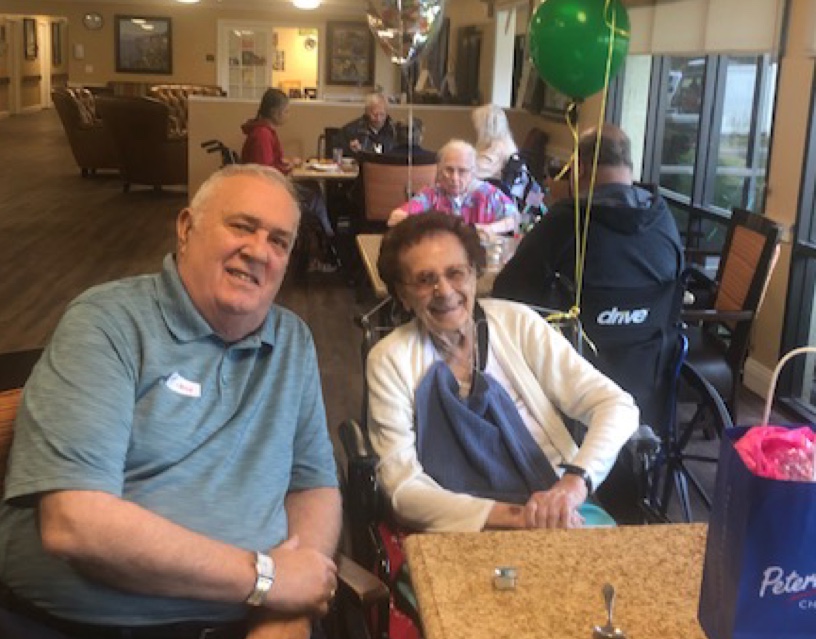
Periodic visits by long-time friend George Banks have meant the world to Mom.

No one ever expects to be old and infirm. The sunny, smiling, twenty-something Connie I see in old pictures never thought about being 99-years-old, confined to a wheelchair and unable to care for her basic needs. But that’s where most of us will be – if we’re lucky.

While ageing is a reality we can’t change, we can make it easier for the aged. Make a friend at a nursing home and visit every week or two. Maybe read to them. Ask about their younger selves. Or if you really want to see their faces light up, ask them to pull out old family pictures. You’ll end up wondering whose heart warms the most – theirs or yours.

Caregiving is part of God’s commandment to love our neighbor. Consider it an investment in grace. God’s grace.

My Surprising Hospital Walk

When I started this new blog, I made a conscious effort to make it less outwardly religious. Let’s face it – no one likes in-your-face preaching. But since I’m a storyteller, please have a bit of patience so I can tell you this true story.

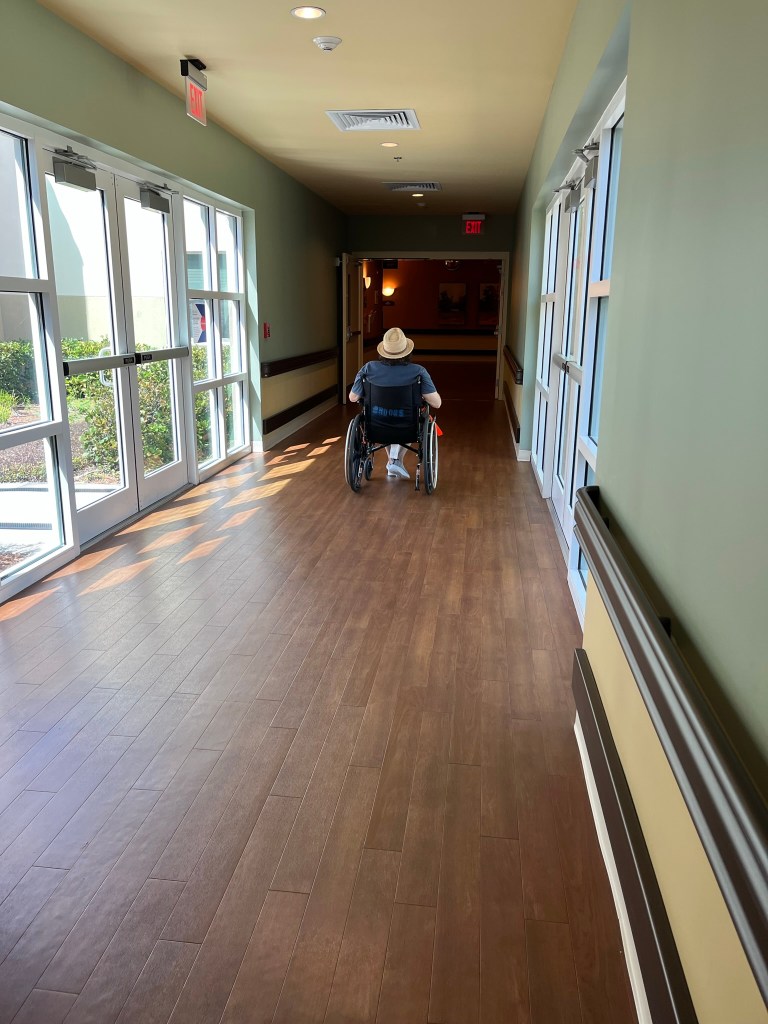
As I write this, I’m about to begin my seventh week in the hospital following some delicate spinal surgery. The 10-hour procedure was successful, but it greatly affected my ability to walk. Basically, I couldn’t. My rehab has been intense, and early last week I was thrilled that my steps had grown stronger with the help of exercise and a walker.

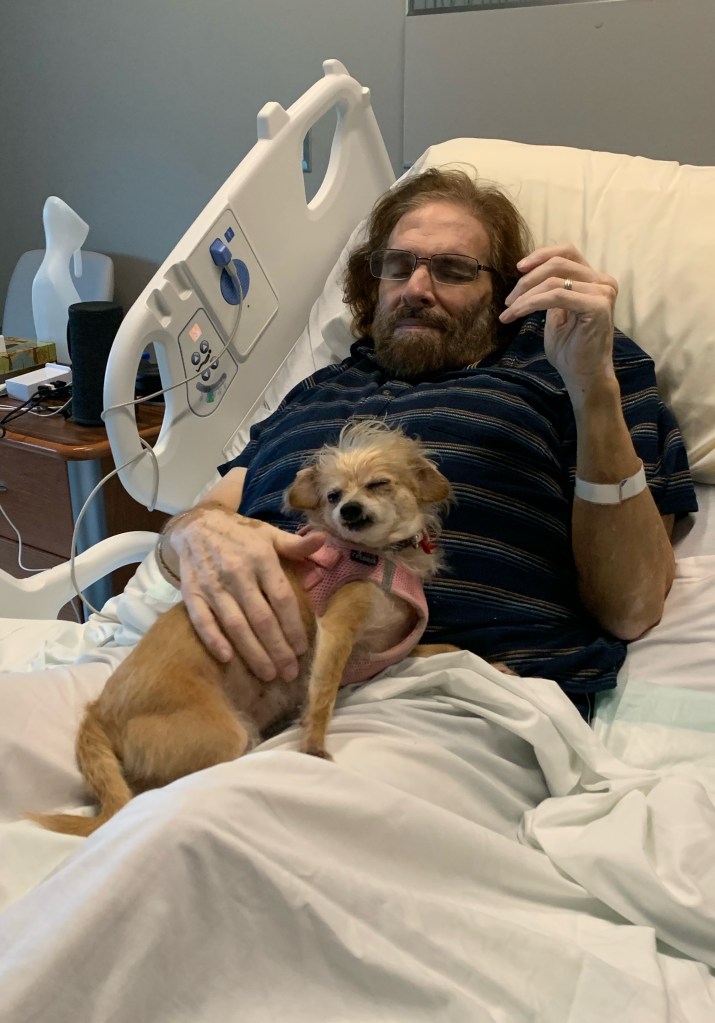
One of my visitors was Didi, the Ugliest Dog in the World, who licked my face and protected me from all the nurses.

Last Wednesday, however, I woke up knowing I had no legs. All the strength was gone. All of it. Gone. It was though I had rubber bands for legs. I was on the verge of panic, fearing something had gone wrong and I’d never walk again.

I had to stand twice before my actual physical therapy began. I needed to use only my arms, not legs, to hoist myself up on the walker. When the session actually started, my legs held, at most, five percent of my weight. Makayla, my therapist, asked me to try to turn the corner around the therapy table, two steps at most. I slowly shuffled, still using almost all arms. But for some reason, probably my Italian stubbornness, I asked to walk to a marker on the floor about four or five steps away. She said yes, and I did. And I kept going. All around the gym. The whole gym. On my legs.

I got back to the starting point and collapsed into the wheelchair, flummoxed and flabbergasted. Makayla had no explanation.

After another 10-minute rest and “How the hell did I do that” questions, I asked if I could try again. I took another lap around the gym and once again fell into the wheelchair with just as many questions as before.

Rehabilitation from major surgery can be a long, daunting process.

“It’s a beautiful day,” Makayla said after a few minutes. “Want to wheel outside?”

It, indeed, was a beautiful day and, within a few minutes, she tossed out what I interpreted as a dare.

“Want to try to walk out here?” Makayla asked.

I pulled myself up, walked the perimeter of the courtyard, and happily sat down in the wheelchair. My legs were heavy, I was tired, and I heard my hospital bed calling. But my emotions were was sky high and my session wasn’t over yet.

“Think you have another one in you?” she asked.

My head said “no” but my stubbornness wasn’t about to give in.

I turned at the halfway point, though. Really – enough was enough! But after heading for home, I felt somehow energized. Nothing was wrong. No permanent damage. No lifetime in a wheelchair. Victory!

I don’t know why but I then did something that, in retrospect, was pretty stupid. I raised my walker in the air and kept walking. With no support. Just like normal. Ten unassisted steps! How did that happen?

Stealing legendary journalist Paul Harvey’s line, here’s the “rest of the story.”

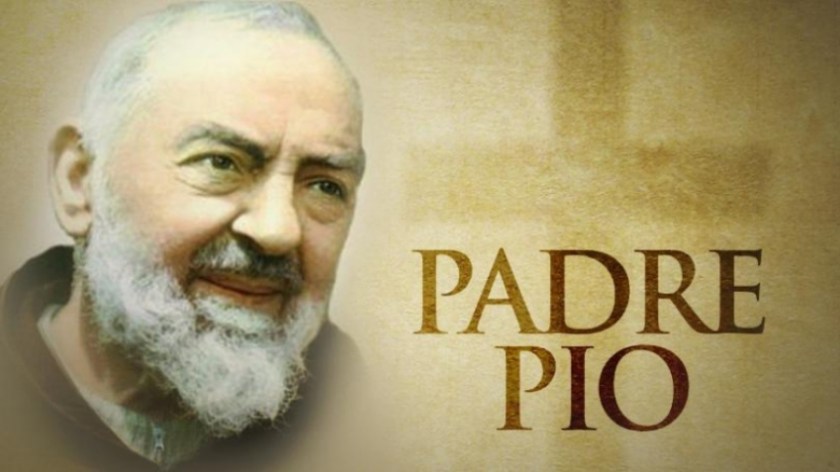
St. Padre Pio (1887-1968) was an Italian Franciscan Capuchin friar. Pope John Paul II canonized him a saint in the Catholic Church in 2002.

A couple of hours before PT, I had a long, wonderful visit from Russell Tooke, a dear friend of 36 years from St. Joseph’s choir. Before he left, I asked Russ to break my normal routine and anoint me with oil blessed with a relic of St. Padre Pio. Russ was reluctant at first, saying he wasn’t worthy. But he gave in and anointed me with the holy oil.

The story is true. Take from it what you will.

Please leave a comment if you like. I hope you will click “Like” and scroll all the way down to subscribe.

Thoughts of youth, denial and heaven 

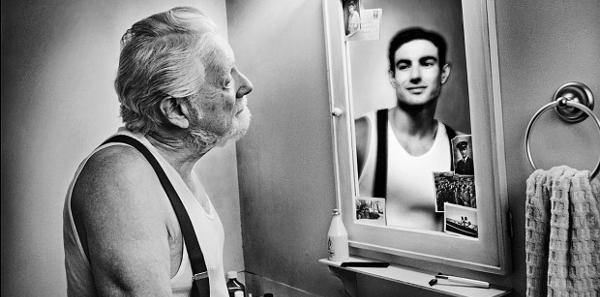
I don’t consider myself old, just temporarily sidetracked. While I’m aware the only time I’ll lace a double down the right field line again is in my memory, I still held out hope, until recently, of cranking a 250-yard drive down the center of the fairway. But at what point do we eventually acknowledge our youth exists only in the rear-view mirror? I have a couple theories on aging especially for guys who know they’ll never get old. In other words, all of us.

I remember a glorious late spring afternoon some 15 years ago, sitting out on the patio of a downtown Armory Square pub in Syracuse, New York, enjoying a cold one with my dear friend Mike and some of his fellow middle school teachers. A few of them were teasing one young teacher in her mid-20s about her social life. After a few humorous barbs, she shared one particular frustration.

“I don’t get how these 50-year-old guys think they have a shot with me,” she exclaimed.

Since she didn’t know me from Adam, I bit my tongue. But as a then-50-year-old guy, I actually did have was a couple of answers. One of them was a dive into the male psyche.

A man’s denial of his own mortality is a lot deeper than most of us would ever admit.

“Old guys” who chase pretty, young women do so because that’s who they chased when they were young. Since we all actually think we are still young, why not? Looking in the mirror each morning, that hint of gray at the temples is an anomaly. The crow’s feet around the eyes are from too much sun last week. And the hairline isn’t any farther north at all. Since we haven’t gotten any older, why not chase women who are young, too?

Denial in excelsis.

I believe that type of denial, though, has a basis in reality. Deep in our innermost being, we believe all of our aches and pains, all of our maladies and diseases, are just temporary. That’s because innately know our bodies are just earthly holders for the spirit-beings we really are. Since we’re made in God’s image, our new spirit-bodies will be transformed. Perfect. Beautiful.

Until then, we’re stuck with the bodies we have. We can watch ballgames on TV and delude ourselves into remembering when we made plays “like the pros.” We can live vicariously through the exploits of our kids and grandkids. We can call on all the sweet (um, enhanced) memories of our youth.

But through that denial, here’s a bit of reality. To get that heavenly body, we need to actually make it to heaven. While I have no plans to trade in these used bones any time soon, my neurosurgeon has waved an obligatory red flag. After 40+ years of trouble, I’m finally getting my back fixed. Surgery tomorrow morning. I’m crossing my fingers I’ll end up 6-7 inches taller! Oops – there’s that denial again. Okay, maybe just 2-3 inches taller.

Prayers are welcome, of course, but here’s something even better. Set your own sights on heaven so someday, many years from now, we’ll be able to marvel at each other’s perfection. And maybe even play a heavenly round of golf!

Lessons from a $20,000 Mistake

Anyone who’s never done anything stupid – please raise your hand.

Yeah, thought so.

One of my biggest lowlights occurred in 1981. I needed a chunk of cash quickly. As a young TV producer-reporter working my second full-time job after college, I couldn’t just go out back and shake the money tree.  I didn’t have a money tree, of course, much less an “out back.” So I did a quick inventory to see if I had anything to sell.

Throughout high school and much of college, I played guitar in church. I had a nice, serviceable Yamaha acoustic that was perfect for that. But I also had an electric guitar and amplifier I hadn’t touched in years. Mom and Dad bought them for me when I was 10-years-old.

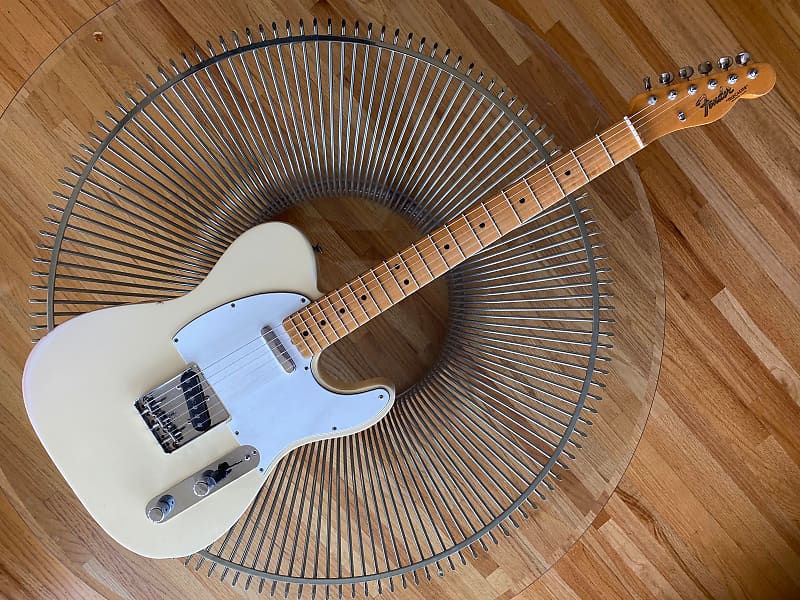
This 1966 Fender Telecaster was listed on Reverb for
$19,570.31 plus tax.

There was no eBay or Craigslist in 1981 to estimate its value, so I decided to offer this used, 15-year-old instrument for the original, full sticker price and crossed my fingers. I threw in the amp just to get it out of the closet. I wouldn’t ever be needing it again, would I? Still, I was a bit uneasy when I noticed the buyer – like me, a young guy in his 20s – looking like the cat who ate the canary. It prompted a little voice in my head to say, “You’re going to regret this.”

That’s how I came to sell my 1966 Fender Telecaster, polar white with a maple neck. For $300.

Fender makes it easy to find a guitar’s date of manufacture on the hidden end of each instrument’s neck.

Fast forward 25 years. A few of us musicians from the St. Joe’s church choir were getting together to play some classic rock and oldies at the parish fall festival. An acoustic guitar wasn’t going to cut it. That was the first time that little voice’s prophesy came true. But not the last.

Over the years I have gone through a few OK electric guitars, but none that felt or sounded as good as my old Telecaster. I missed it every time the guys got together for a festival, some other event, or just to jam. While I knew I could never get it back, I started using this new thing called the Internet to find another 1966 Fender Telecaster, a polar white one with a maple neck. And that’s when that little voice exploded into an ear-splitting scream.

If you Google “1966 Fender Telecaster” now, you’ll see those listed in excellent condition – which mine was – priced in the $15-20,000 range. The same guitar I sold. For $300.

As with any other tool, my new 2021 Telecaster only has value when it’s being used. Otherwise, it’s just a couple hunks of wood and some electronics in a box.

I decided to replace the guitar someday – same model, same neck, same color, but obviously different year. “Someday” came a couple of months ago. My new, 2021 model has the same look, the same classic Telecaster twang, and an even better feel. But now it has something even better – a smarter owner who realizes the best measure of value is not always in dollars.

Jesus taught us we must use the gifts God has given us. I now know that 1966 Telecaster was a great gift – but one that would have sat in its case unused for nearly three decades. Instead, at least one accomplished guitar player was able to put it to good use and derive great joy from it.

And I appreciate this new Telecaster much more than the old one. I can barely tell the difference between the two. Actually, the new one plays a little bit better. And now that I’m retired, it’s actually one of the answers to “Now What.” Now I can devote enough practice time to hopefully make me worthy of such a fine instrument. In other words, maybe selling the ’66 guitar wasn’t a mistake in the first place. Maybe it was simply a nudge from God.

This Isn’t Supposed to Happen to Me!

My mind wasn’t computing. I had just crashed into an upstairs wall. Shirtless, I stared at my left shoulder, which had slammed the corner of the wall full force. “That should have hurt a whole lot more,” I thought.

I tried to take a step toward the bedroom but instead hit the opposite wall, banging into a framed photo of a snowy cactus while the adjacent crucifix clattered to the floor. I had never, ever been this unsteady on my feet, not even after any of my college “escapades” so many decades ago.

I stopped and steadied myself, determined to get my body under control. Yet, no matter how slowly and deliberately my brain tried to steer me in one direction, my body insisted on going in another. Maybe that ‘pop’ I felt in the center of my skull really was a stroke.

I did the one thing you should never do when you have a stroke. I took a shower. Call it the “clean underwear” syndrome – make sure you always wear clean underwear in case you’re in an accident and have to go to the hospital. Denial was also a factor; maybe it wasn’t a stroke after all. Maybe the flowing hot water would clear my head. It didn’t. Instead, the inevitable happened.

My neurologist said I was lucky the stroke occurred in a part of the brain that did not affect thinking or speech. (Insert joke here!)

As I laid on the shower floor struggling unsuccessfully to get up, Ralph, the 400 lb. cat, walked in with a concerned look on his face, as if to say, “Does this mean you’re not going to feed me?” I burst out laughing. Really; no lie.

I eventually made it to my feet. The doorbell rang as I was trying to put on a pair of gym shorts – clean, of course, for my trip to the hospital – and I fell again. I crawled toward the open bedroom window, used the sill to lift myself up, and called down to a neighbor, who called Helen.

We all know the old joke – “How do you make God laugh? Tell him your plans.” I hadn’t even started sorting the post-retirement possibilities before God took over. Do more writing? Attack the checklist of home maintenance tasks? Become a much better guitar player? Spend more time with Mom? Get into better shape? All of a sudden, not only was I unable to answer the question “now what,” my sudden disability meant I couldn’t even ask myself that question.

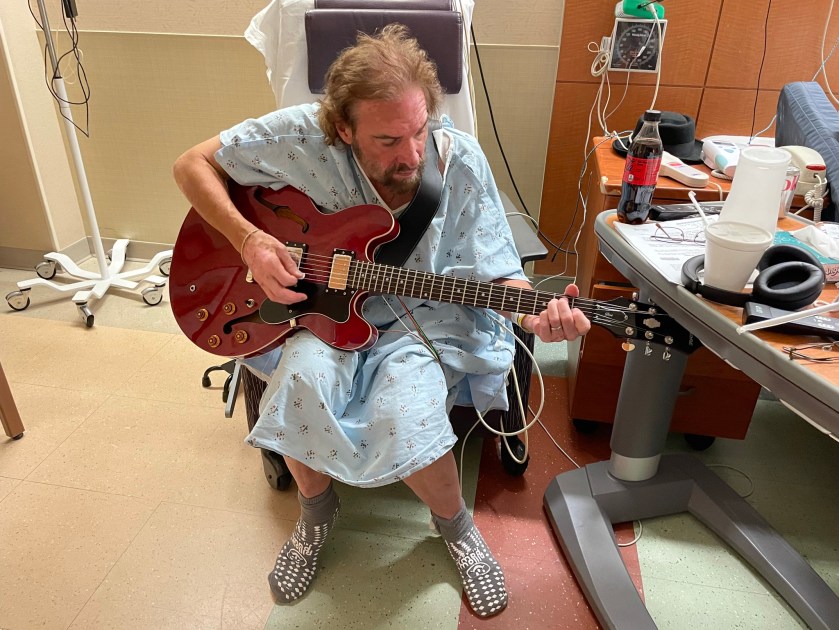
Occupational therapy started the day after my stroke, when Helen thoughtfully brought my guitar to the hospital.

And there, I realized, was the answer.

I now had no choice but to ask God. Whatever I wanted was no longer much of a factor. I had to shift my focus to becoming the person God wants me to be. Discernment, historically my Achilles heel, was now much easier. This was God’s literal “slap on the back of the head.” With a two-by-four.

This retirement journey has now become much more interesting. I hope you’ll share it with me. With any luck, we’ll share a few laughs and maybe even a tear or two.