It was the eve of Christmas Eve, December 23, 1988. Close friends, St. Joseph’s choir members, ready to celebrate our traditional holiday menus and traditions – Polish, Irish and Italian. But something was wrong; our host wasn’t answering the door. In fact, the house was dark. Could we have the wrong night?
After several minutes, the door opened. Our host poked his head out.
“Sorry,” he said. “We’re not doing it.”
The door closed. We stood there in the chilly dark, wondering what in the world was going on.
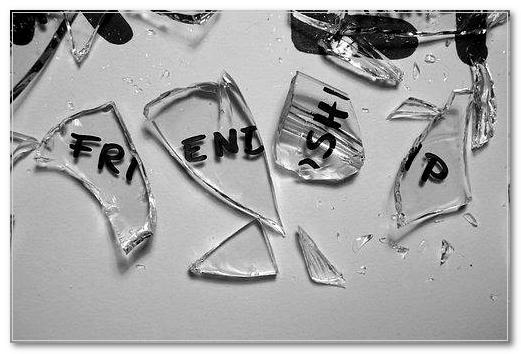
A few days later, we heard our dear friends, husband-wife business partners, had split. He essentially “fired” her, locking the home office door, giving her an actual letter of termination, and throwing her out of the house. We were rightfully – righteously – outraged. I didn’t speak with the husband, our “friend,” for decades. It was only then I learned the full story. Turns out his wife, also our friend, had become pregnant by her out-of-town lover.
Whose sin was worse – the wife, who had a transgression of the heart? Or mine, who made a conscious decision to turn my back on a friend and fellow choir member at the lowest point in his life?
Sounds like a no-brainer to me. But lessons from no-brainers don’t necessarily provide immunity from future stupidity.
Another friend in our close parish circle imploded his family several years back. He had an affair with, and later married, his office manager. His abusive behavior toward his daughters caused a years-long estrangement. Because of this egregious behavior, we – his closest friends – turned our backs on him.
Later, we learned he wasn’t well. He had CTE – chronic traumatic encephalopathy – an incurable degenerative brain disease that causes severe headaches, memory loss, disorientation, rage, dementia and sometimes suicide. We abandoned a dear friend, our brother in Christ, a good man, because we didn’t find out what was going on with him.
Did we forget all the basic lessons from church school as kids? Were we all sleeping through the homily every Sunday? Or do we just display the Christianity label without buying into the brand?

Photo courtesy: Mindsplain
We tend to condemn ourselves and others without bothering to learn why we suddenly act outside our good characters. We don’t consider what past influences have flawed our present personalities. That’s part of our “human nature.” Also known as “original sin.”
It’s not like we invented sin. Even saints, sometimes especially saints, are seduced by the easy satisfaction of “righteous sin.” St. Paul, stubborn and temperamental, wrote of his own ongoing conflict in a letter to the Christian community in Rome in 56 AD:
“For I have the desire to do what is good, but I cannot carry it out. For what I do is not the good I want to do; no, the evil I do not want to do – this I keep on doing.”
If the Apostle Paul can’t get it right, even after his conversion, we’re really screwed. Now what?
Well, like Paul, accept it. We should always try to be better, but we’ll never be perfect. Never. We will be hurt and hurt others. That doesn’t mean it’s okay, it simply means we should anticipate it. But if that’s all we do, we’ll end up walking around with a big sack of hurt for the rest of our lives. That’s why Step #2 is critical.

Photo courtesy: The Layman’s Bible
Let it go. Forgive. Including yourself. Life’s tough enough without hanging onto that hurt, hoping for payback, holding a grudge. And since screw-ups aren’t one-offs, expect to forgive – a lot. St. Peter, not the forgiving type, had to be set straight by Jesus and his “Seventy Times Seven” rule, which, in Biblical, pre-calculator times, translated to “more than you can ever count.” And then forget it. Don’t let the acid from the past keep burning you in the present.
Doing these things won’t make you better looking or lower your cholesterol. Oh, they may help lower your blood pressure a tad. But here’s the real value – they can keep good relationships from breaking, and can fix broken ones. The synonym for that is – Love.
If you liked this story, I hope you will choose to subscribe. Just scroll down to the bottom of the page, enter your email address and click “Subscribe.” I try to upload a new entry every couple of weeks or so.

 Now What?
Beautiful and so true.
LikeLike
Thanks, Peter! A great reminder to find ways to help rather than to condemn. You’re not the only screw-up! Blessings, Becky
LikeLike
Thanks Peter.
LikeLike
Well written with wisdom. We are all products of our past, we all have flaws and weaknesses as well as beautiful gifts. Let us look in the mirror and see what we struggle with and strive to have compassion for all others.
LikeLike